
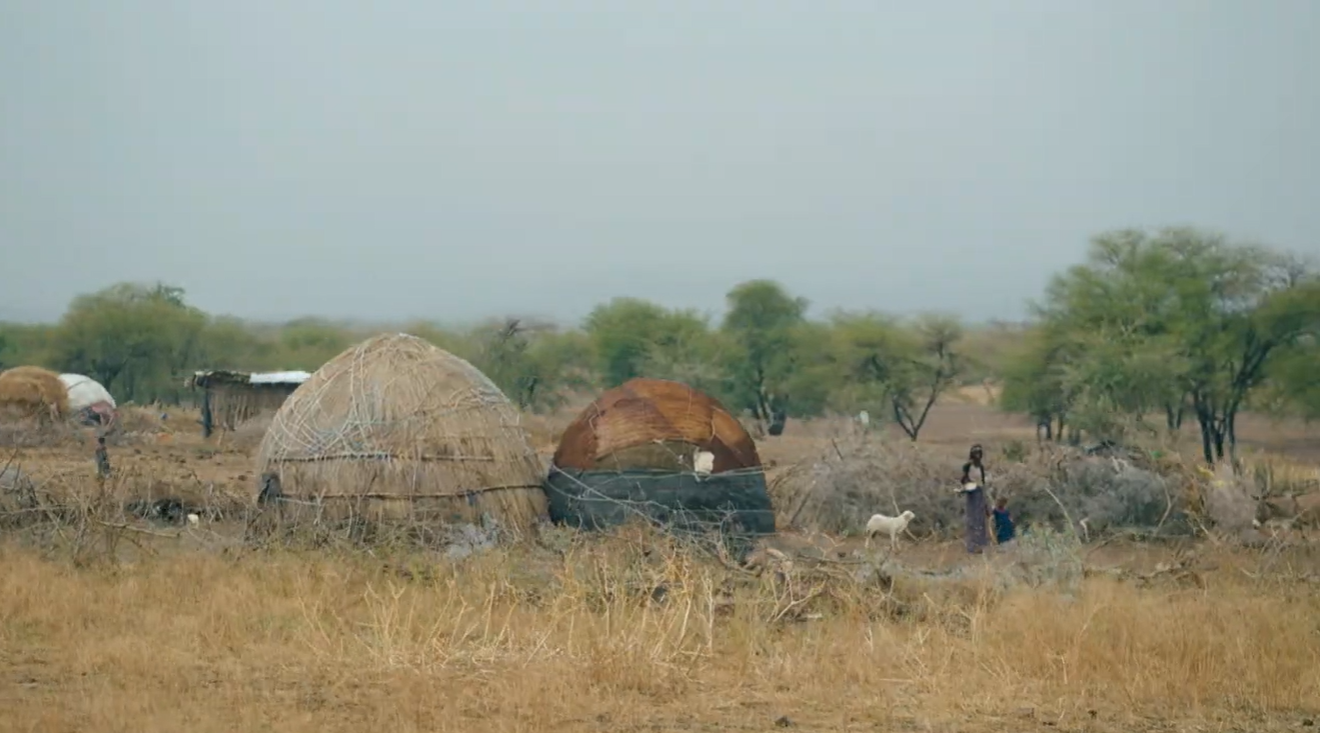
In Afar, Italian Cooperation Strengthens Livelihoods Through Water, Agriculture and Local Economic Development
In the kebeles of Ewa and Yallo, in Ethiopia’s Afar Region, Italian Cooperation is supporting the strengthening of local livelihoods through integrated interventions in water access, agriculture, and local economic development.
Afar is one of the country’s most fragile and climate-exposed regions. Characterized by arid and semi-arid environments, scarce and erratic rainfall, and some of the highest temperatures in the world, the region depends largely on traditional pastoral and agro-pastoral systems that are highly vulnerable to climate shocks. Local communities rely predominantly on livestock rearing and subsistence agriculture—livelihoods increasingly under pressure due to recurrent prolonged droughts, natural resource degradation, and growing water scarcity.
In recent years, the frequency and severity of climate-related crises have further undermined the food security of pastoral households, reducing access to pasture, water, and agricultural production, with serious consequences for household incomes and community nutrition.
To address these challenges, Italian Cooperation is promoting an integrated resilience-building approach in Afar through humanitarian projects implemented in partnership with the NGOs LVIA and COOPI. These interventions aim not only to respond to immediate needs, but also to strengthen communities’ capacity to withstand future crises.
Current activities include the construction and rehabilitation of solar-powered water systems, which are essential to ensuring sustainable access to water for domestic, agricultural, and livestock use. The introduction of solar infrastructure represents a particularly strategic solution in remote areas with limited access to the electricity grid, enabling more efficient and sustainable water resource management.
At the same time, small-scale irrigation schemes are being developed to support local agricultural production and encourage the gradual diversification of livelihoods. Access to irrigation allows agro-pastoral households to cultivate vegetables and fodder even during periods of low rainfall, reducing their exclusive dependence on livestock.
The interventions also include the establishment of community nurseries, support to fodder production and livestock rearing, as well as soil conservation and sustainable natural resource management activities. These actions contribute to combating environmental degradation, improving land productivity, and preserving local ecosystems on which pastoral communities depend for their survival.
Alongside infrastructure and agricultural support, the projects also promote local economic development opportunities by encouraging the creation of small income-generating activities and strengthening the productive capacities of beneficiary households.
In a context where the climate crisis is making humanitarian emergencies increasingly frequent and severe, investing in resilience means addressing the structural causes of vulnerability, strengthening communities’ capacity to adapt to environmental changes and protect their livelihoods.
The initiatives supported by Italian Cooperation in Afar demonstrate how an integrated approach—combining water access, food security, sustainable natural resource management, and economic development—can concretely contribute to building more resilient communities, reducing vulnerability to climate shocks, and promoting sustainable development prospects in some of Ethiopia’s most fragile territories.

