From Admission to Recovery: Strengthening Neonatal Care in Ethiopia
For a mother, returning to the same hospital where she gave birth several years earlier can make the changes that have taken place over time particularly visible. This was the experience of Aynisha, 40, a resident of Addis Ababa, who returned to Tikur Anbessa Specialised Hospital (TASH) in August 2026 to give birth to her third child.
Six years earlier, she had given birth to her second child at the same hospital. This time, complications during pregnancy required her to remain in the hospital for observation before delivery.
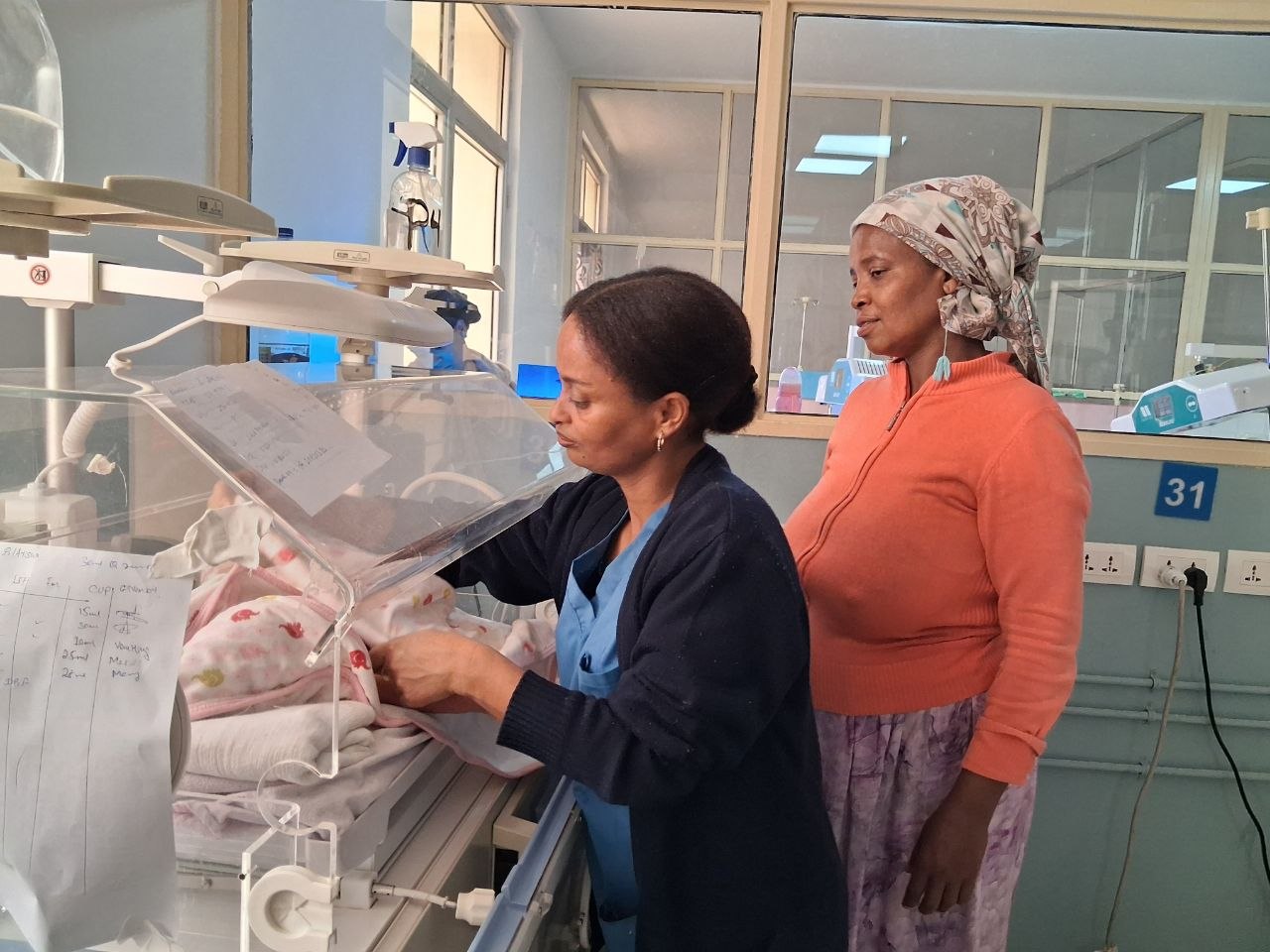
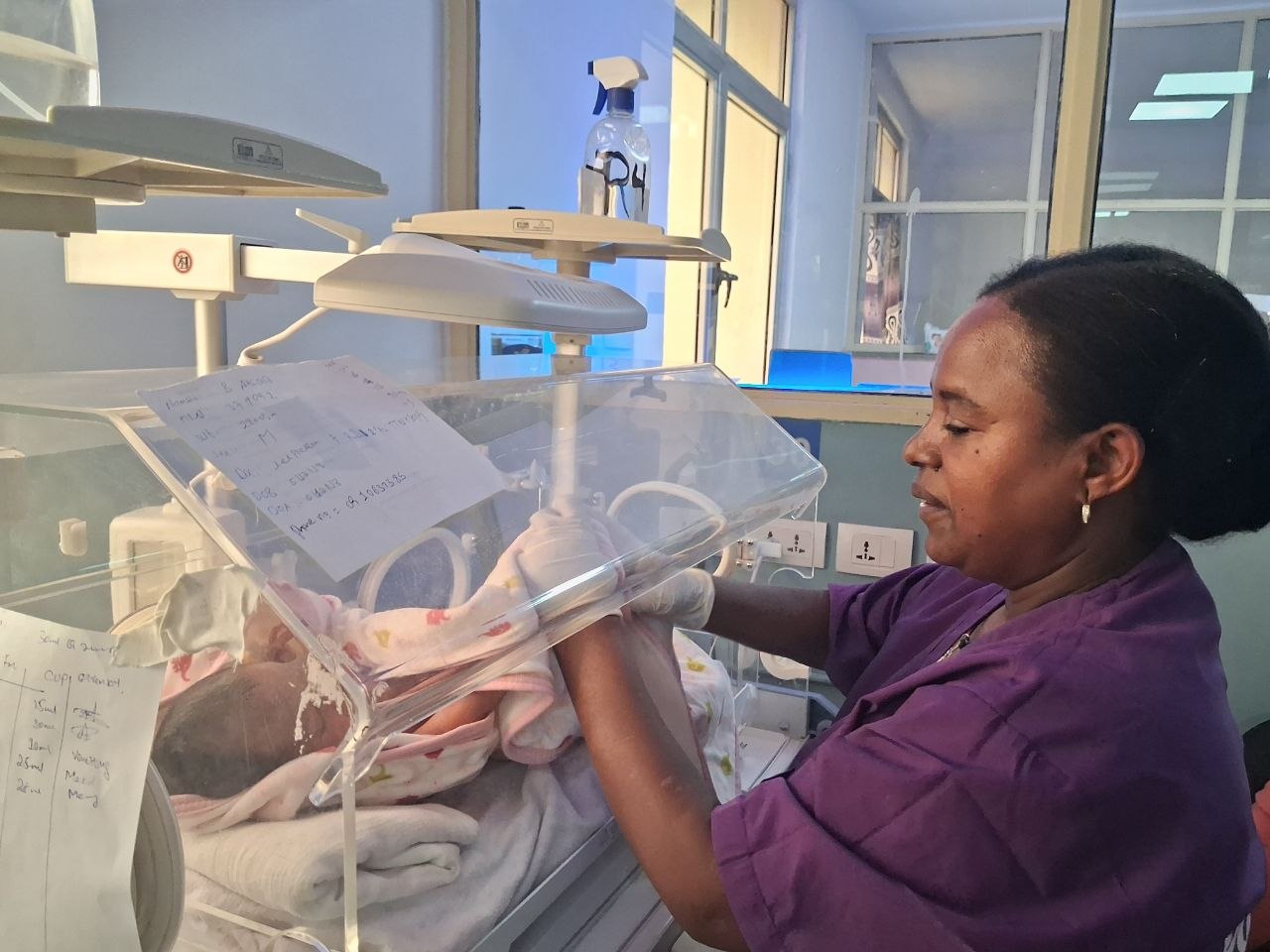
After birth, her baby, born prematurely, was transferred to the Neonatal Intensive Care Unit (NICU), where he received specialised care and continuous monitoring.
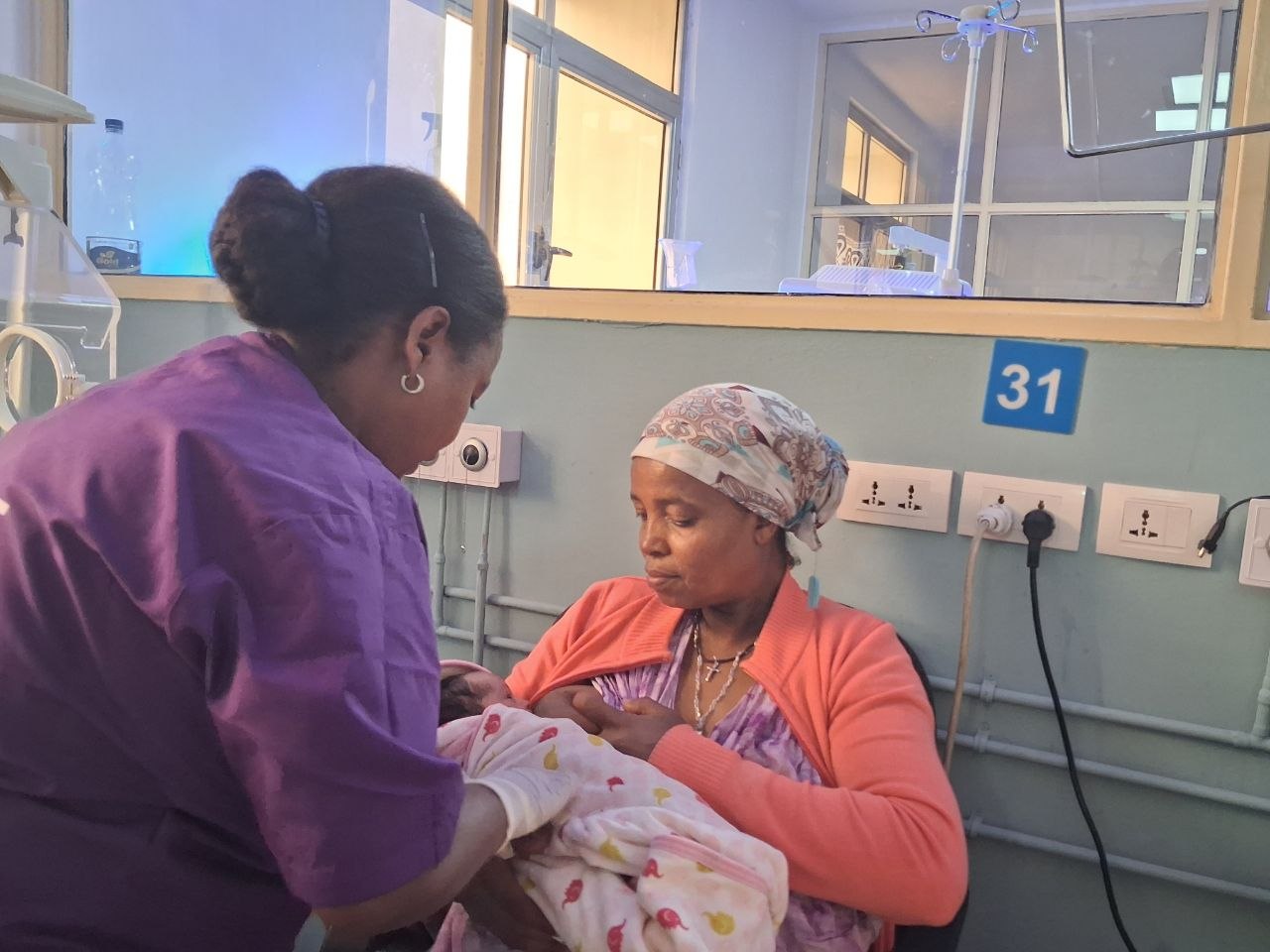
“The health workers explained to me that my baby had a condition that required additional care in the neonatal intensive care unit,” Aynisha recalls. The baby remained in the NICU for more than nine days, receiving medication, respiratory support, and other treatments using the equipment available in the unit. As his condition improved, he was transferred to the sub-critical care area for premature newborns, where he was able to continue breastfeeding with the support of his mother.
A neonatal unit transformed over time
Aynisha noticed a clear difference between the facility she had known six years earlier and the one where her third child was treated.
“At that time, the neonatal intensive care unit was not adequate. Now the rooms are fully equipped with the different types of equipment needed for newborns, and the walls and floors are clean and welcoming.”
Beyond the infrastructure and equipment, Aynisha particularly appreciated the constant presence of healthcare workers. Nurses and other staff closely monitored her baby throughout his stay and supported her when she initially experienced difficulties with breastfeeding.
For Sister Huluagerish, a neonatal nurse with ten years of experience in the NICU, the baby’s recovery also demonstrates the importance of having a health system able to provide different levels of care according to the clinical needs of each newborn.
Strengthening services, improving care
Aynisha’s experience is part of the “Strengthening Neonatal Care in Ethiopia” project, funded by Italian Cooperation and implemented by Doctors with Africa CUAMM, in collaboration with the Ministry of Health, at Tikur Anbessa Specialised Hospital in Addis Ababa and Suhul Hospital in Shire, Tigray Region.
The intervention contributes to strengthening neonatal care by improving facilities and equipment, consolidating the skills of healthcare professionals, and enhancing hospitals’ capacity to respond to the needs of newborns requiring specialised care.
Aynisha’s story illustrates the concrete value of this investment: when appropriate skills, trained healthcare personnel, and specialised equipment are available within the same care pathway, premature and vulnerable newborns can receive the timely care they need.
Aynisha is now looking forward to the moment when her baby will be able to leave the hospital. Her experience has also reinforced her belief in the importance of seeking medical care without delay and of ensuring that specialised services are available closer to where families live.
Strengthening neonatal care therefore means investing in a fundamental component of quality healthcare: the ability to identify, treat, and safely care for the most vulnerable newborns while supporting their families throughout the process.
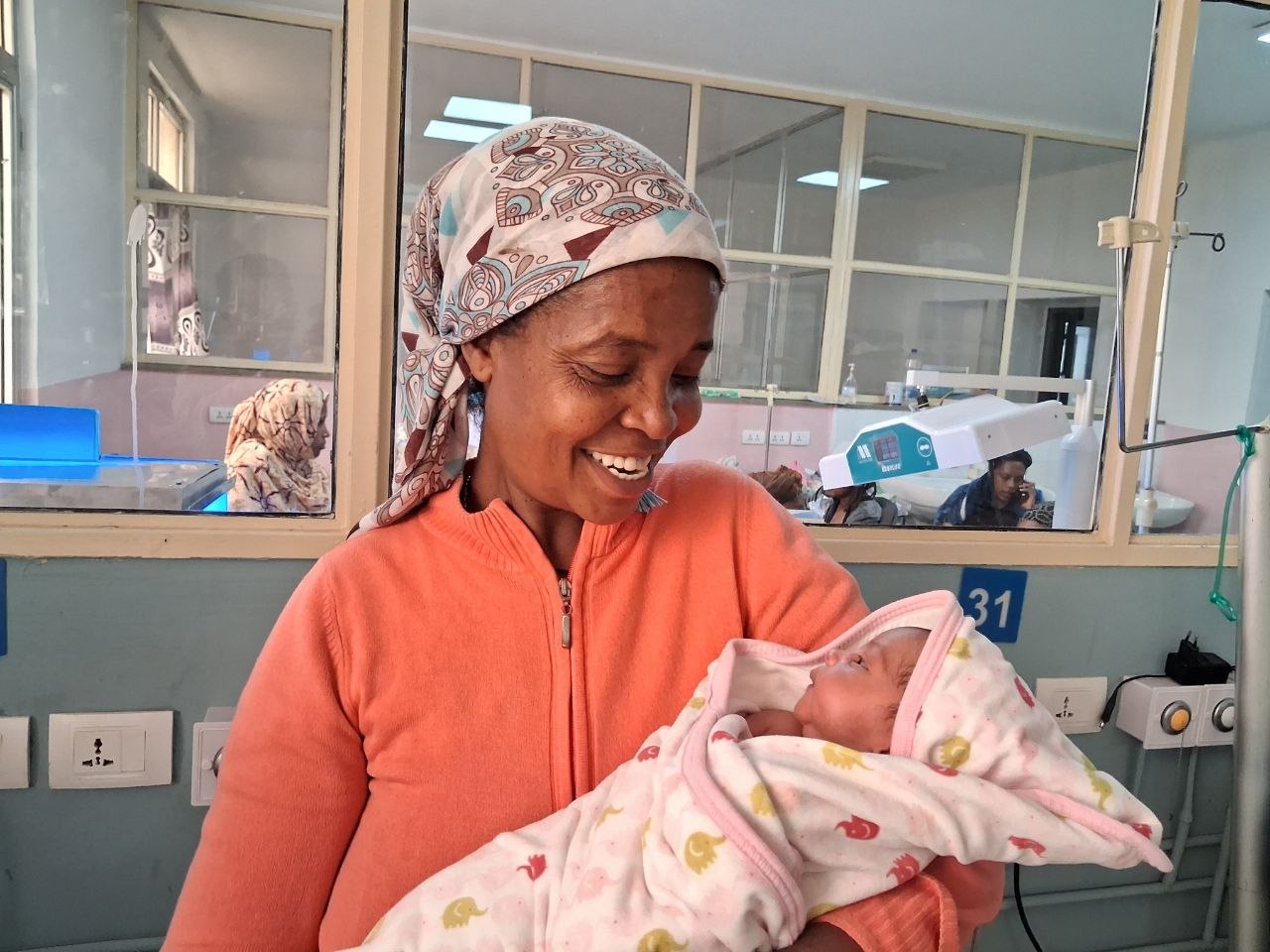
Photo: Aynisha with her newborn at Tikur Anbessa Specialised Hospital (TASH), Addis Ababa, August 2026.
Source: Doctors with Africa CUAMM – “Strengthening Neonatal Care in Ethiopia” project.